
Nature
WildlifeofSikkim:FloraandFaunaGuideforTrekkers
Discover Sikkim's unique biodiversity. Species identification, wildlife photography tips, and ecosystem understanding.
Sikkim Saga Team
April 20, 2026
5 min read
Wildlife of Sikkim: Flora and Fauna Guide
Sikkim's Biodiversity Hotspot Status
Sikkim is one of world's most biodiverse regions:
- 27% forest coverage
- 4300+ plant species
- 600+ bird species
- 80+ mammal species
- 5000+ insect species
Elevation Zones & Associated Wildlife
Subtropical Zone (Below 5000 ft)
Forest Type: Tropical & subtropical forests
Flora:
- Sal trees
- Orchids (50+ species)
- Rhododendrons (lower altitude species)
- Bamboo forests
- Medicinal plants
Fauna:
- Clouded leopard (elusive)
- Indian bison
- Wild boar
- Various reptiles
- Extensive bird species
Temperate Zone (5000-9000 ft)
Forest Type: Oak & conifer forests
Flora:
- Oak forests
- Rhododendrons (alpine varieties)
- Magnolia trees
- Ferns & mosses
- Medicinal herbs
Fauna:
- Asiatic black bears
- Musk deer
- Himalayan wild dog (dholes)
- Pheasants & quails
- Mountain goats
Alpine Zone (Above 9000 ft)
Forest Type: Alpine meadows & grasslands
Flora:
- Alpine rhododendrons
- Fiddlehead ferns
- Alpine flowers (seasonal)
- Grasses & sedges
- Lichen & moss
Fauna:
- Snow leopards (extremely rare)
- Himalayan blue sheep
- Yellow-billed choughs
- Pikas (small rodents)
- High-altitude insects
Iconic Animals to See
Himalayan Black Bear
- Appearance: Black coat, white V-chest mark
- Size: 150-250 kg
- Habitat: 6000-10000 ft forests
- Diet: Insects, berries, honey
- Season: Spring/autumn active
Musk Deer
- Appearance: Brown/grey coat, tusks
- Size: 13-18 kg (smallest deer)
- Habitat: 6000-12000 ft steep slopes
- Diet: Lichens & mosses
- Status: Vulnerable species
- Sound: Whistling alarm call
Red Panda
- Appearance: Reddish-brown, bushy tail
- Size: 3-5 kg (cat-sized)
- Habitat: 7000-10000 ft bamboo forests
- Diet: Bamboo (95%), occasionally meat
- Status: Vulnerable species
- Season: Nocturnal, dawn/dusk active
Snow Leopard
- Appearance: Grey coat, black rosettes
- Size: 75-150 kg (large cat)
- Habitat: 8000-14000 ft rocky alpine
- Diet: Wild sheep, bharal
- Status: Vulnerable, endangered species
- Probability: <1% chance of seeing on trek
Birds of Prey
- Golden Eagle: High altitude hunter
- Lammergeier (Bearded Vulture): Massive wingspan
- Himalayan Griffon: Vulture species
- Kestrel: Smaller falcon species
Flora Highlights
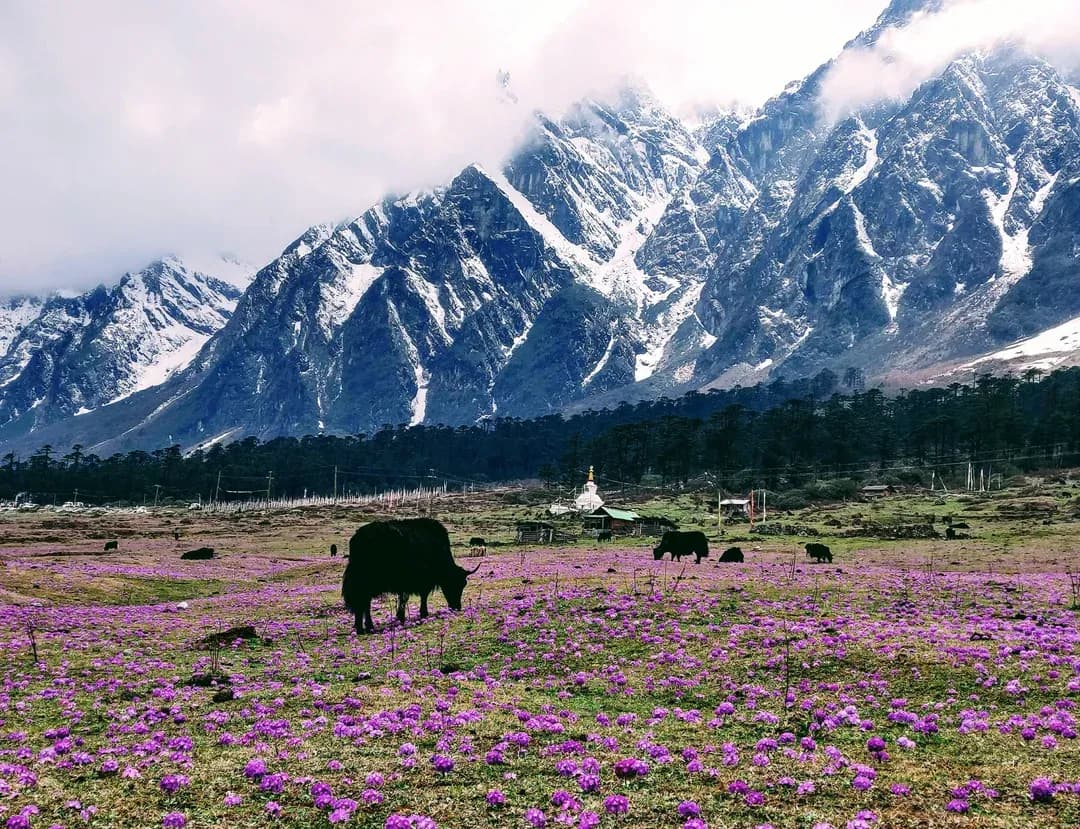
Rhododendrons
- Species: 32 varieties in Sikkim
- Peak bloom: March-May
- Colors: White, pink, red, purple varieties
- Height: 3-40 feet depending on species
- Elevation range: 3000-14000 ft
Orchids
- Species: 50+ endemic varieties
- Appearance: Exotic flowers, varied colors
- Habitat: Orchid-rich forests 4000-10000 ft
- Peak season: March-June
- Protected status: Many rare species protected
Medicinal Plants
- Cordyceps: Fungus, high altitude valuable
- Zang Ama: Traditional Sikkim medicine
- Ginger & Turmeric: Cultivated medicinal
- Garlic: High elevation variety
What You're Likely to See
Very Likely
- Various bird species (100+ endemic birds)
- Squirrels & rodents
- Insects (bees, butterflies, beetles)
- Reptiles (snakes, lizards)
- Flora: Trees, flowers, ferns
Possible
- Mountain goats on distant slopes
- Musk deer tracks
- Evidence of bears (scratches on trees)
- Red panda (if very fortunate)
- Large birds of prey
Unlikely
- Snow leopards (<1% chance)
- Large bears (tracks more common)
- Dholes (endangered, reclusive)
- Clouded leopards (extremely rare)
Wildlife Viewing Tips
Best Practices
- Early morning (dawn) most active time
- Move slowly & quietly
- Use binoculars for distant observation
- Patient observation (wait, don't chase)
- Ask guide about recent sightings
Photography Tips
- Long lens recommended (200mm+)
- Patience trumps equipment
- Respect wildlife distance
- Never approach for "better photo"
- Zoom instead of move closer
Safety with Wildlife
- Never feed wild animals
- Keep distance (50+ feet ideal)
- Store food away from tents
- Don't corner or trap animals
- Report aggressive behavior to guide
- Most animals fear humans
Ecosystem Understanding
Altitude as Climate
- Temperature drops ~3.5°F per 1000 ft
- Altitude = different climate zones
- Species adapted to specific elevations
- Wildlife vertically distributed
- Understanding helps prediction
Seasonal Changes
- Spring (March-May): Birth season, active animals
- Monsoon (June-August): Hidden from rain
- Autumn (September-November): Preparation for winter
- Winter (December-February): Limited visibility
Human Impact
- Deforestation affects habitat
- Tourism pressure on ecosystems
- Protected areas critical
- Respect boundaries
- Minimize impact on animals
Conservation Importance
Why Wildlife Matters:
- Biodiversity indicator of ecosystem health
- Pollination & seed dispersal
- Pest control services
- Cultural significance
- Scientific knowledge
How You Can Help:
- Stay on established trails
- Don't collect plants/animals
- Report poaching/illegal activity
- Support conservation organizations
- Spread awareness
Common Animal Tracks
Learning to Identify:
- Bear paw (large, 5 toes)
- Deer tracks (small, pointed)
- Bird footprints (varied patterns)
- Insect trails (various patterns)
Night Wildlife Sounds
Expect:
- Barking deer (loud alarm calls)
- Owls (various hooting sounds)
- Insects (chirping sounds)
- Wind (easy to mistake for animals)
- Guide can identify most sounds
Last updated: April 2026
#wildlife#flora#fauna#biodiversity#nature
