Discovering Serenity
Loading Sikkim Saga...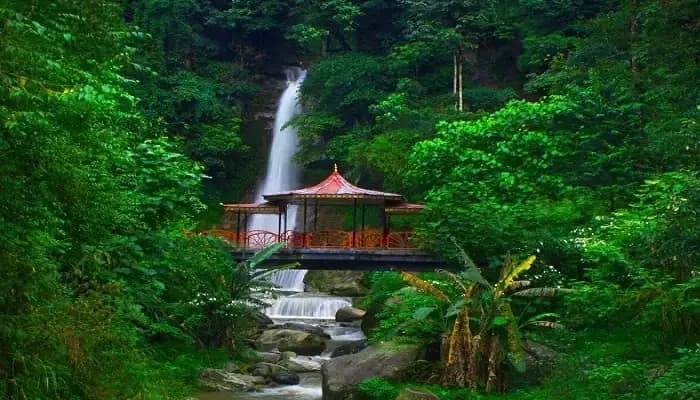
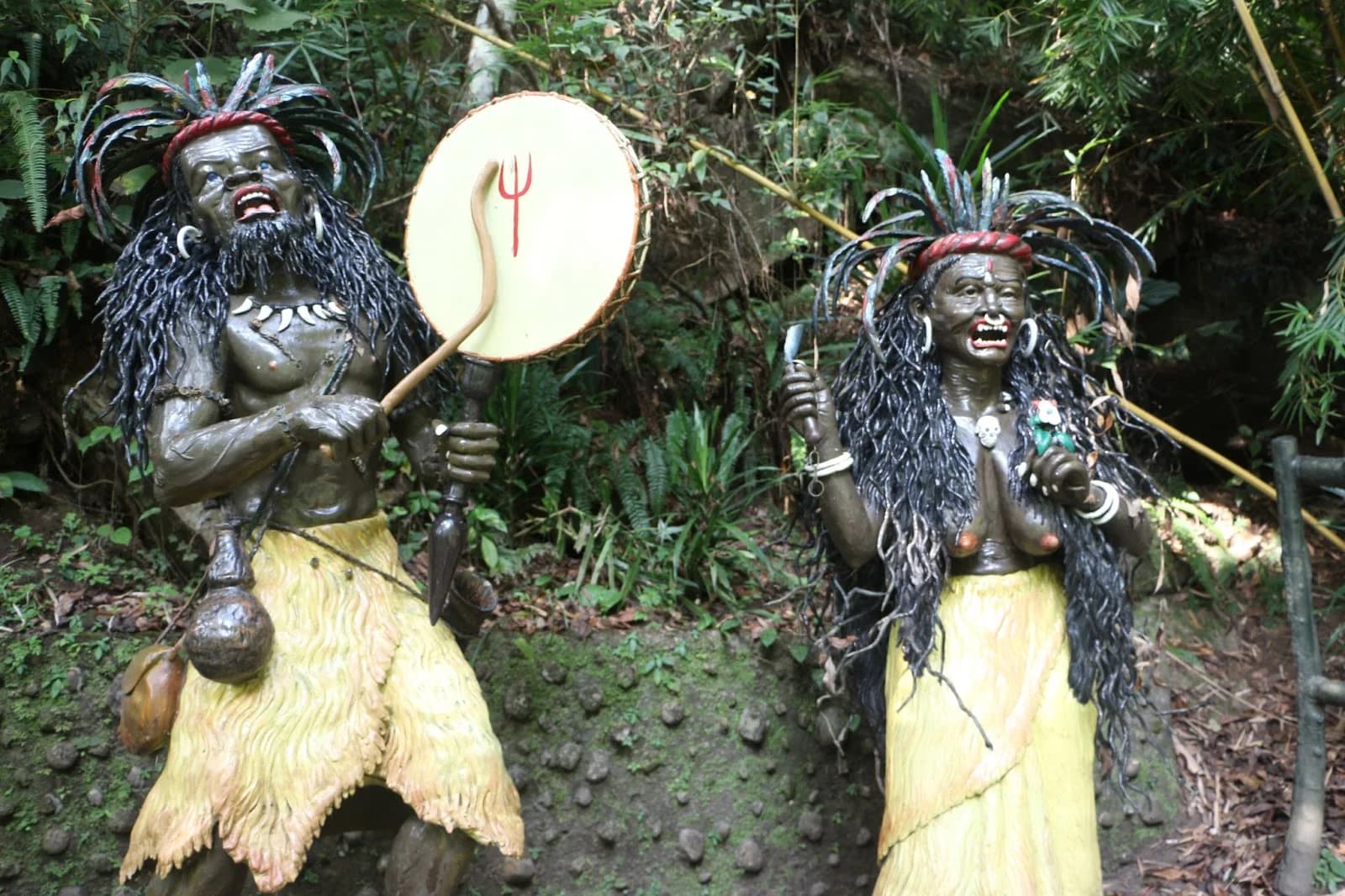
Ban Jhakri Falls Park is a premier 2-acre eco-tourism and energy park located near Gangtok. The centerpiece is a powerful 70-foot natural waterfall that serves as a backdrop for a park themed around Sikkim’s ancient shamanic heritage. The grounds are dotted with traditional statues of the "Ban Jhakri" (forest healers) and Lepcha ancestors, offering a deep dive into local folklore.
Current features include a thrilling zip-line across the waterfall gorge, a man-made lake with paddle boating, and a specialized museum showcasing renewable energy (solar and hydro). With its well-maintained paved pathways, gazebos, and a dedicated children’s play area, it remains a top-rated destination for families and adventure seekers visiting the Ranka area.
According to Sikkimese and Nepali folklore, the Ban Jhakri (Forest Shaman) is a powerful, short-statured deity who dwells in the densest parts of the forest, often behind waterfalls or inside caves.
The Teacher: Legend says the Ban Jhakri kidnaps young, "pure-hearted" children to teach them the secrets of shamanism, healing, and the spirit world. These initiates return to their villages as powerful healers (Jhakris) after their training.
The Protector: While the male Ban Jhakri is seen as a benevolent teacher and protector of humans, his wife, Lhyamlyamey (or Banjhakrini), is often depicted as a more menacing figure who seeks to harm those who enter her territory.
Visual Folklore: The statues throughout the park illustrate these mystical beings, their rituals, and the "calling" of a shaman, turning a simple park visit into an immersive cultural journey.
Best Time to Visit To experience the park at its best, plan for these windows:
Spring/Summer (March to June): Ideal. The weather is mild, and the lush gardens are in full bloom, making it perfect for boating and zip-lining.
Autumn (September to November): Highly Recommended. Post-monsoon, the waterfall is at its most powerful, and the clear autumn skies offer the best photography conditions.
Winter (December to February): A peaceful time to visit if you prefer smaller crowds, though it can be quite chilly.
Monsoon Note: While the falls are thunderous in July and August, the pathways can become very slippery, and outdoor activities like the zip-line may be restricted.