
Discovering Serenity
Loading Sikkim Saga...Discover when to visit Sikkim with our complete seasonal guide. Explore the best time to experience rhododendron blooms, clear mountain skies, and vibrant festivals. Learn about Sikkim weather by month, perfect trekking seasons, and must-attend celebrations in Gangtok.
Planning a trip to Sikkim? Timing is everything. This northeastern Indian gem transforms dramatically with each season, offering distinct experiences from snow-capped peaks to vibrant cultural celebrations. Whether you're trekking to Kanyam or exploring Gangtok, understanding Sikkim's seasons and festivals will help you plan the perfect getaway.
Best Time for Nature Lovers
Spring is arguably the best season to visit Sikkim, when the state explodes with color. This is peak Sikkim rhododendron season, when over 30 species of wild rhododendrons bloom across the mountainsides, painting the landscape in shades of pink, red, and white.
Ideal Itinerary: Start in Gangtok, trek through rhododendron forests to Kanyam, then explore Tsomgo Lake and Baba Mandir. This 4-5 day Sikkim spring itinerary offers the best weather and minimal crowds.
Heavy Rainfall & Lush Landscapes
The Sikkim monsoon season brings intense rainfall, transforming the region into a verdant paradise. While not ideal for casual tourists, adventure enthusiasts find this period rewarding.
Recommendation: If visiting during monsoon, plan shorter treks and allow flexibility for weather disruptions.
Best Season for Trekking & Clear Skies
Autumn is the best season for Sikkim trekking. Post-monsoon weather clears up, offering stunning visibility of snow-capped peaks.
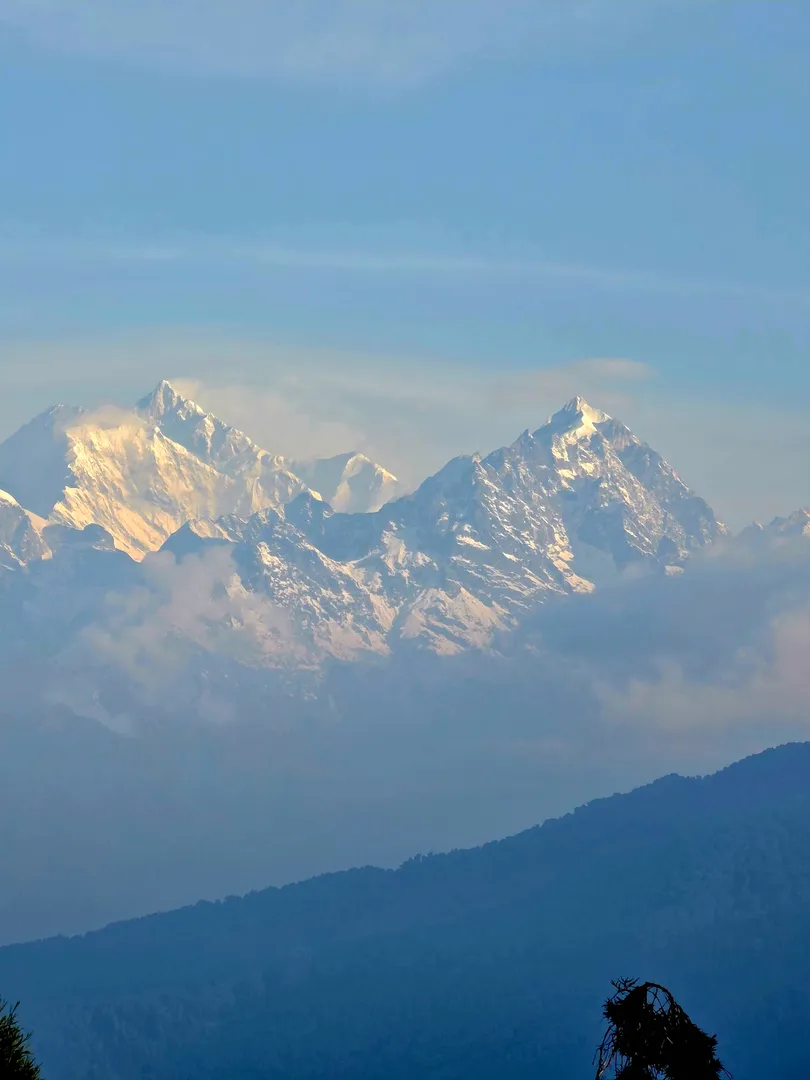
Why Autumn is Perfect: This is the peak season for Gangtok travel. Clear skies mean unobstructed views of Kangchenjunga, the third-highest peak in the world.
Snowfall, Festivals & Crisp Mountain Air
Winter transforms Sikkim into a snow-covered wonderland. Higher altitudes see significant snowfall, while lower regions enjoy pleasant cool weather.
Travel Tip: Many high-altitude passes close during extreme winter. Plan 3-5 day itineraries in and around Gangtok and lower altitude destinations.
September to November - Combines perfect weather, festival celebrations, and accessibility.
March to May and September to November - Ideal trekking conditions with clear skies.
September to November (Dasain, Durga Puja) and January-February (Losar) - Experience authentic Sikkim festivals.
June to August - Lowest accommodation prices (offset by monsoon challenges).
September to November - Unmatched visibility and dramatic landscapes.
Light jackets, trekking shoes, sunscreen, camera gear
Waterproof jacket, umbrella, water-resistant bags, warm clothes for cool evenings
Layers, trekking boots, cap, sunglasses, lightweight thermal wear
Heavy jacket, thermals, wool socks, snow boots, beanie, gloves
Sikkim has well-maintained NH10 and NH31 connecting major towns. However, monsoon can cause temporary closures on hill roads.
Most Indian nationals don't need permits, but foreign nationals require a Protected Area Permit (PAP) or Restricted Area Permit (RAP) for certain areas.
Local tour operators like Sikkim Saga Tours & Travels provide expert-guided experiences with local knowledge of seasonal conditions and festival timings.
Gangtok has accommodations ranging from budget guesthouses to premium hotels. Kanyam offers heritage homestays and eco-lodges for authentic experiences.
Whether you're seeking adventure, cultural immersion, or serene mountain landscapes, Sikkim has a season perfect for your travel style. Each season reveals different facets of this beautiful state - from spring's colorful rhododendrons to autumn's crystal-clear peaks, monsoon's dramatic landscapes to winter's snow-capped magic.
Start planning your Sikkim journey today. Consider your preferred activities, preferred weather, and festive celebrations when choosing your travel dates. And remember, with proper planning and local expertise, any season can be magical in Sikkim.
Ready to experience Sikkim? Connect with Sikkim Saga Tours & Travels for personalized seasonal packages and expert guidance.